Italy Digital Nomad Visa 2026: The Complete Guide

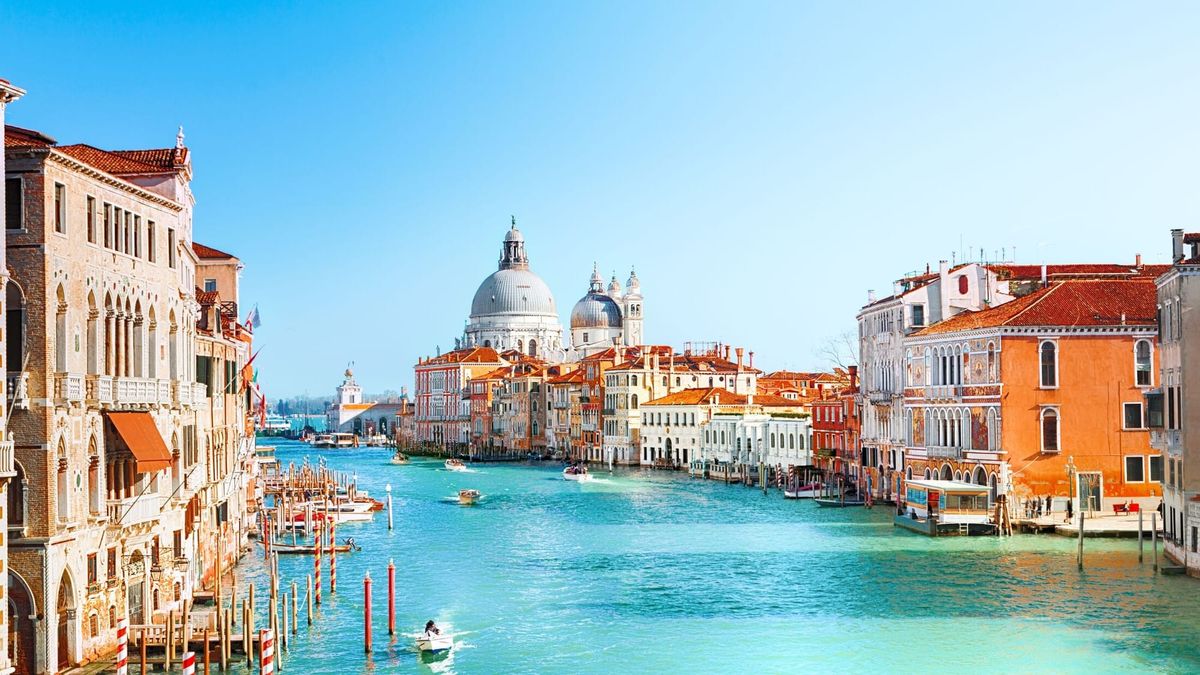
The dream: working remotely from a sun-drenched terrace in Tuscany, a buzzing café in Rome, or a quiet apartment overlooking the Amalfi Coast — legally, long-term, and with a tax rate that might make your accountant smile.
Italy's Digital Nomad Visa makes that possible. Launched officially in April 2024 under Decree Law No. 79/2024, it's now fully live and accepting applications. But it's also one of the more complex visa applications in Europe — with documentation requirements, qualification checks, and tax decisions that catch people off guard.
This guide covers everything you need to know: eligibility, income thresholds, the full document list, the step-by-step process, taxes, costs, and the common mistakes that get applications rejected. Many people are using our DIY pack to apply for the visa themselves;
What Is the Italy Digital Nomad Visa?
The Italy Digital Nomad Visa — formally known as the Visto per Lavoratori da Remoto — is a one-year national visa for non-EU/EEA nationals who work remotely for employers or clients based outside Italy. It allows you to live legally in Italy while continuing to work for your existing foreign employer or overseas clients.
After arriving, you apply for a permesso di soggiorno (residence permit), which is valid for one year and renewable for up to two additional years. After five years of continuous legal residency, you become eligible for permanent residency — and after ten years, Italian citizenship.
In short: it's not just a visa, it's a potential pathway to one of the most sought-after passports in the world.
Who Is It For?
The Italy DNV is designed for two categories of remote workers:
1. Remote employees — people employed by a company registered outside Italy who continue working for that employer while living in Italy.
2. Freelancers and self-employed — people who work independently with clients based outside Italy.
⚠️ Critical rule: You cannot use this visa to work for Italian companies or clients. Your income must come entirely from foreign sources.
Eligibility Requirements
To qualify for the Italy Digital Nomad Visa, you must meet all of the following:
✅ You Must Be a Non-EU/EEA National
EU and EEA citizens don't need a visa to live and work in Italy. This visa is specifically for nationals of countries outside the EU/EEA — including Americans, British, Australians, Canadians, and others.
✅ Minimum Annual Income: €28,000
The income threshold is set at three times Italy's minimum social security contribution benchmark. In 2026, this is approximately €28,000 per year (around €2,333/month). You prove this through bank statements, pay slips, tax returns, or client contracts covering the previous 6–12 months.
If you're applying with dependants, the requirement increases:
- Spouse: +€6,087/year (total ~€34,087)
- Each child: +€1,550/year
✅ Highly Qualified Professional
This is where Italy differs from many other DNV programmes. You must demonstrate that you are a "highly skilled" worker, proven by either:
- A relevant university degree, or
- At least 5 years of professional experience in your field (3+ years for tech/ICT roles)
Consulates have applied this requirement inconsistently — some ask for degree certificates and full CVs, others focus mainly on income. Prepare everything regardless.
✅ At Least 6 Months of Remote Work Experience
You must demonstrate a track record of working remotely — via employment contracts, client agreements, or invoices — covering at least the past six months.
✅ Clean Criminal Record
A criminal record certificate is required from your country of residence and any country you've lived in for the past five years. This must be apostilled (or legalised) and translated into Italian.
✅ Health Insurance
Private health insurance valid in Italy with a minimum coverage of €30,000 is mandatory. Policies from SafetyWing, Cigna Global, and similar international providers are widely accepted.
✅ Proof of Accommodation in Italy
You must have a signed rental contract or property deed for an Italian address before submitting your application. This is non-negotiable — and it can be one of the trickiest parts of the process, since many Italian landlords are reluctant to sign contracts with applicants who don't yet have residency.
Document Checklist
Here is the complete list of documents you will need:
Identity & Passport
- Valid passport (minimum 6 months validity beyond your intended stay)
- Two recent passport-size photographs
- Completed national visa application form
Proof of Remote Employment
- If employed: employment contract confirming remote work arrangement + letter from employer confirming you will continue in the role from Italy
- If freelance/self-employed: client contracts, recent invoices, and business registration documents
Proof of Income
- Bank statements (last 6–12 months)
- Pay slips or tax returns confirming income meets the €28,000 threshold
Professional Qualifications
- University degree certificate (apostilled and translated into Italian), or
- CV demonstrating 5+ years of relevant professional experience
Criminal Record
- Certificate from your country of residence + any country lived in during the past 5 years
- Must be apostilled (Hague Convention countries) or legalised, and translated into Italian
Health Insurance
- Policy document showing coverage valid in Italy, minimum €30,000 coverage
Proof of Accommodation
- Signed Italian rental contract or property deed
Financial
- Proof of visa fee payment
- Savings documentation may be requested by some consulates
📋 Plan 4–6 weeks for document preparation. Apostilles, translations, and consular appointments all take time. Don't underestimate this.
Step-by-Step Application Process
Step 1: Prepare Your Documents
Gather everything on the checklist above. All foreign documents must be apostilled (for Hague Convention countries like the US, UK, Australia, and Canada) and translated into Italian by a sworn translator.
Step 2: Secure Italian Accommodation
Find and sign a rental contract for an Italian address before submitting your application. Use platforms like Idealista, Uniplaces, or local Facebook expat groups. Be upfront with landlords about your visa status — some will ask for a larger deposit.
Step 3: Book a Consular Appointment
Apply through the Italian consulate or embassy with jurisdiction over your place of legal residence. You cannot choose a different consulate. Slots fill up quickly — book at least 3 months before your intended move date.
Step 4: Attend Your Consular Appointment
Bring all original documents plus copies. Be prepared to submit fingerprints and pay the visa fee at the appointment.
Step 5: Receive Your Entry Visa
Processing typically takes 30–60 days, though it can stretch to 120 days in busy periods. The Interior Ministry has confirmed no numerical cap on applications — consulates process on a rolling basis.
Step 6: Travel to Italy and Register
Within 8 days of arriving in Italy, you must visit your local Questura (police headquarters) to apply for your permesso di soggiorno (residence permit). This deadline is a legal requirement — missing it can jeopardise your residency status.
Step 7: Obtain Your Codice Fiscale
Your codice fiscale is Italy's equivalent of a tax identification number — you'll need it for virtually everything: opening a bank account, signing contracts, registering with a GP, and more. Apply at the local Agenzia delle Entrate office or Italian consulate.
Step 8: Register With Your Comune
Register your official Italian address with the Comune (local municipality). This is required for your residence permit and for accessing local services.
Costs & Fees
| Item | Approximate Cost |
|---|---|
| Visa application fee | €116 |
| Apostille per document | €30–80 |
| Italian translation per document | €50–150 |
| Health insurance (annual) | €800–2,000 |
| Permesso di soggiorno fee | €100–200 |
| Italian commercialista (tax advisor) | €500–1,500/year |
| Total preparation costs | €2,000–4,500+ |
The visa fee itself is modest. The real costs are in document preparation and ongoing professional support — particularly a good commercialista (Italian accountant), which is strongly recommended.
Taxes in Italy: What You Need to Know
Tax is where the Italy DNV gets complicated — and where getting proper professional advice can save you thousands. Here's a plain-English overview.
When Do You Become an Italian Tax Resident?
If you spend 183 days or more in Italy in a calendar year, you become an Italian tax resident. At that point, Italy can tax your worldwide income, and you must file an Italian tax return.
The Two Main Tax Regimes
1. Regime Forfettario (Flat-Rate Tax) Italy's flat-rate regime is highly attractive for eligible freelancers:
- 5% flat tax for the first 5 years as a new business
- Rising to 15% thereafter
- Applies to income up to €85,000/year
- Requires opening a Partita IVA (Italian VAT number)
If you're freelance and earning under €85,000, this is likely the most advantageous option available.
2. Regime Impatriati (Inbound Workers Regime) The impatriati regime offers a 50% exemption on Italian-source income for up to five years (rising to 60% if you relocate with a dependent minor child). However, it comes with important caveats:
- You must commit to at least 4 years of Italian tax residency (early departure triggers clawback)
- It applies to Italian-source employment income — and whether DNV income qualifies is legally contested
- Not suitable for nomads who plan to move on within a year or two
⚠️ Important: Several leading Italian tax advisors caution that DNV holders cannot automatically assume access to the impatriati regime — it requires a case-by-case analysis. Get professional advice before relying on this.
As a rough guide: if you're freelance and earning under €85,000, the regime forfettario is almost certainly better. If you're employed or earn above that threshold, model out both options with a commercialista.
Double Taxation Treaties
Italy has double taxation agreements with the US, UK, Australia, Canada, and many other countries — which means you won't automatically pay tax twice on the same income. How these interact with your specific situation depends on your residency status and income structure.
🇺🇸 US citizens: You are required to file US taxes regardless of where you live. However, the Foreign Earned Income Exclusion (FEIE) can shield a significant portion of foreign-earned income from US federal tax. A tax advisor with cross-border expertise is strongly recommended.
Renewals and the Path to Residency
The DNV is initially valid for one year. It can be renewed annually as long as you continue to meet the income, remote work, insurance, and accommodation requirements.
The long-term path:
- 5 years of continuous legal residency → eligible for permanent residency
- 10 years → eligible for Italian (and therefore EU) citizenship (Italian language test required)
This is one of the most significant long-term advantages of the Italy DNV compared with shorter-term programmes. Italian citizenship is one of the most valuable in the world — granting full EU freedom of movement and access to 190+ countries visa-free.
Best Cities for Digital Nomads in Italy
Rome — The obvious choice for culture, history, and connectivity. A thriving expat community, excellent co-working infrastructure, and direct flights everywhere. Higher cost of living than the south.
Milan — Italy's business hub. Best for professionals in finance, tech, and fashion. Higher costs, but strong infrastructure and international community.
Florence — A magnet for creatives and remote workers who want a slower pace without sacrificing beauty. Manageable size, great quality of life.
Bologna — Underrated, student-city energy, affordable, central location, excellent food scene. Increasingly popular with digital nomads.
Naples — Fast-growing nomad scene, significantly cheaper than the north, UNESCO-listed city centre, excellent transport links to the Amalfi Coast.
Puglia (Lecce, Ostuni) — Italy's hidden gem for remote workers seeking affordability and sunshine. Expanding co-working scene, low cost of living, extraordinary food.
Palermo / Sicily — Budget-friendly, warm climate year-round, less bureaucratic chaos than you might expect. Best for those who want a slower, more immersive Italian experience.
Common Mistakes That Get Applications Rejected
1. Submitting without Italian accommodation You must have a signed Italian rental contract before applying. Don't submit without it.
2. Underestimating document preparation time Apostilles, sworn translations, and consular bookings take weeks. Start 3–4 months before your target move date.
3. Applying at the wrong consulate You must apply at the consulate with jurisdiction over your place of legal residence. Check this carefully.
4. Not registering at the Questura within 8 days This is a legal deadline. Missing it can invalidate your residency status.
5. Assuming automatic access to the impatriati tax regime The interaction between DNV income and the impatriati regime is genuinely contested. Don't structure your finances around it without qualified advice.
6. Inadequate professional qualification documentation Some consulates apply the "highly qualified worker" requirement strictly. Have your degree certificate apostilled and translated, and prepare a detailed CV regardless of whether you think you'll need them.
Italy DNV vs Spain DNV: Which Is Right for You?
| Italy | Spain | |
|---|---|---|
| Income requirement | €28,000/year (~€2,333/month) | €2,762/month |
| Application difficulty | Moderate–high | Moderate |
| Processing time | 30–120 days | 1–3 months |
| Tax benefit | Forfettario (5–15%) or Impatriati (50% exemption) | Beckham Law (24% flat rate) |
| Path to citizenship | 10 years | 10 years |
| Family inclusion | Yes (income increases) | Yes (income increases) |
| Language requirement | Italian (for citizenship) | Spanish (for citizenship) |
| Best for | Culture lovers, creatives, long-term settlers | Sun seekers, expats, Beckham Law tax planning |
Frequently Asked Questions
Can Americans apply for the Italy Digital Nomad Visa? Yes. The Italy DNV is open to all non-EU nationals, including US citizens. You apply through the Italian consulate or embassy in your state of legal residence. US consulates can have longer processing times, so apply early.
Can I bring my family? Yes. Dependant spouses and children can be included. The income requirement increases by approximately €6,087 for a spouse and €1,550 per child.
Can I work for Italian companies on this visa? No. Your income must come entirely from employers or clients based outside Italy. Working for Italian entities would require a different permit.
Is there a cap on the number of visas issued? No. As of March 2026, the Italian Interior Ministry has confirmed there is no numerical cap. Applications are processed on a rolling basis.
What if my consulate isn't processing applications yet? The programme is still relatively new and some consulates are still finalising procedures. Contact your nearest Italian consulate directly to confirm their current process.
Do I need to speak Italian? Not to apply for the visa. Italian is required for the citizenship test if you pursue that path after 10 years.
Can the Italy DNV lead to citizenship? Yes — indirectly. After 5 years of legal residency you can apply for permanent residency. After 10 years, you can apply for Italian citizenship, which carries full EU rights. An Italian language test is required.
Ready to Apply?
The Italy Digital Nomad Visa is one of the most rewarding — and most complex — visa pathways in Europe. The documentation burden is real, the tax picture requires professional guidance, and the process rewards those who prepare thoroughly.
If you want to handle it yourself, our Italy Digital Nomad Visa DIY Pack includes:
- Full document checklist tailored to your nationality (US, UK, Australian, Canadian)
- Apostille guides for your home country
- Sworn translation briefing notes
- Income calculation worksheet
- Accommodation contract checklist
- Codice Fiscale and Questura registration guide
- Tax regime comparison worksheet
- 25 FAQs answered
👉 Get the Italy DNV DIY Pack — €29
Or, if you'd prefer to work with a specialist immigration lawyer who knows the Italy DNV process inside out, we can connect you with a vetted partner.
👉 Get a free consultation referral
Last updated: June 2026. Immigration rules change — always verify current requirements with the official Italian consulate in your country before submitting your application.
Official Italian immigration information: vistoperitalia.esteri.it